
In 2025, the U.S. government implemented tariffs on imports from China, Canada, and Mexico, aiming to boost domestic production. However, these measures have contributed to rising food inflation, affecting consumer prices. The U.S. Department of Agriculture forecasts a 3.4% increase in food prices for 2025, slightly above the historical average. Major food companies, including PepsiCo and Conagra, have requested tariff exemptions for imports like cocoa, coffee, and certain fruits, citing challenges in sourcing these ingredients domestically.

Specific Food Categories
Eggs: Prices are projected to surge by 41.1% due to supply disruptions from avian influenza.
Beef and Veal: Expected to rise by 3.2%, influenced by tight supplies and sustained demand.
Fresh Fruits: Anticipated to increase by 2.4%, with variability across different fruit types.
Industry Concerns:
Combating inflation in restaurants, particularly when food prices are rising, can be a challenge, but there are several strategies that can help restaurant owners manage costs and keep their business profitable.
Optimize Menu Pricing
Review and Adjust Menu Prices: Owners or chefs should routinely assess the cost of ingredients and make necessary price adjustments. If possible, use price tiers to cater to different customer segments. This means that a menu should offer items that appeal to customers that are price sensitive all the way up to those that money is no object
Dynamic Pricing: Adjust menu prices based on factors like seasonality, demand, and ingredient price fluctuations. Digital menus can make this adjustment easier. We highly recommend using special boards to make up a significant amount of your menu, and only printing the core items, so that you are not beholden to keeping the necessary items in stock at all times. This method allows you to be much more flexible and reactive to price volatility.

Menu Engineering
Focus on High-Profit Items: Highlight and promote items that have higher profit margins. Use your most profitable ingredients in various dishes to maximize cost-effectiveness. Some of the great ideas we have seen are using the leftover dough from pizza making to create stuffed bread bites, or rosemary garlic bread bites. Many restaurants will save leftovers to make a soup special that they can upsell to not only utilize the leftovers but also increase the average check price.
Streamline the Menu: Remove low-performing dishes or those with high ingredient costs and replace them with more affordable or versatile options. Owners should routinely assess how well each menu item is performing and remove the low selling items and explore replacing them with specials that sold well or had low production cost.
Control Portion Sizes
Reduce Portion Sizes Slightly: If ingredient prices have gone up, slightly reduce portion sizes without compromising the perceived value. Customers may not notice small changes, but this can help manage food costs. We always suggest that owners or chefs spend time in the server stations or dish rooms to see exactly how much food is coming back untouched or uneaten. Often, they will notice that large amounts of uneaten food is being thrown away and after visiting the table to inquire if everything was okay, they are told that it was great but that it was just to much to eat. This begs the question, are you selling them a meal or two meals for the price of one?
Offer Portion Options: Offer different portion sizes (e.g., half portions or shareable plates) so customers can choose based on their budget. Many restaurants have chosen to charge a sharing fee for customers who choose to share an entrée. This is a great way to earn extra revenue. To reduce the customer’s dissatisfaction of paying more for the same food, maybe offering a couple side salads.
Sourcing & Supply Chain Adjustments
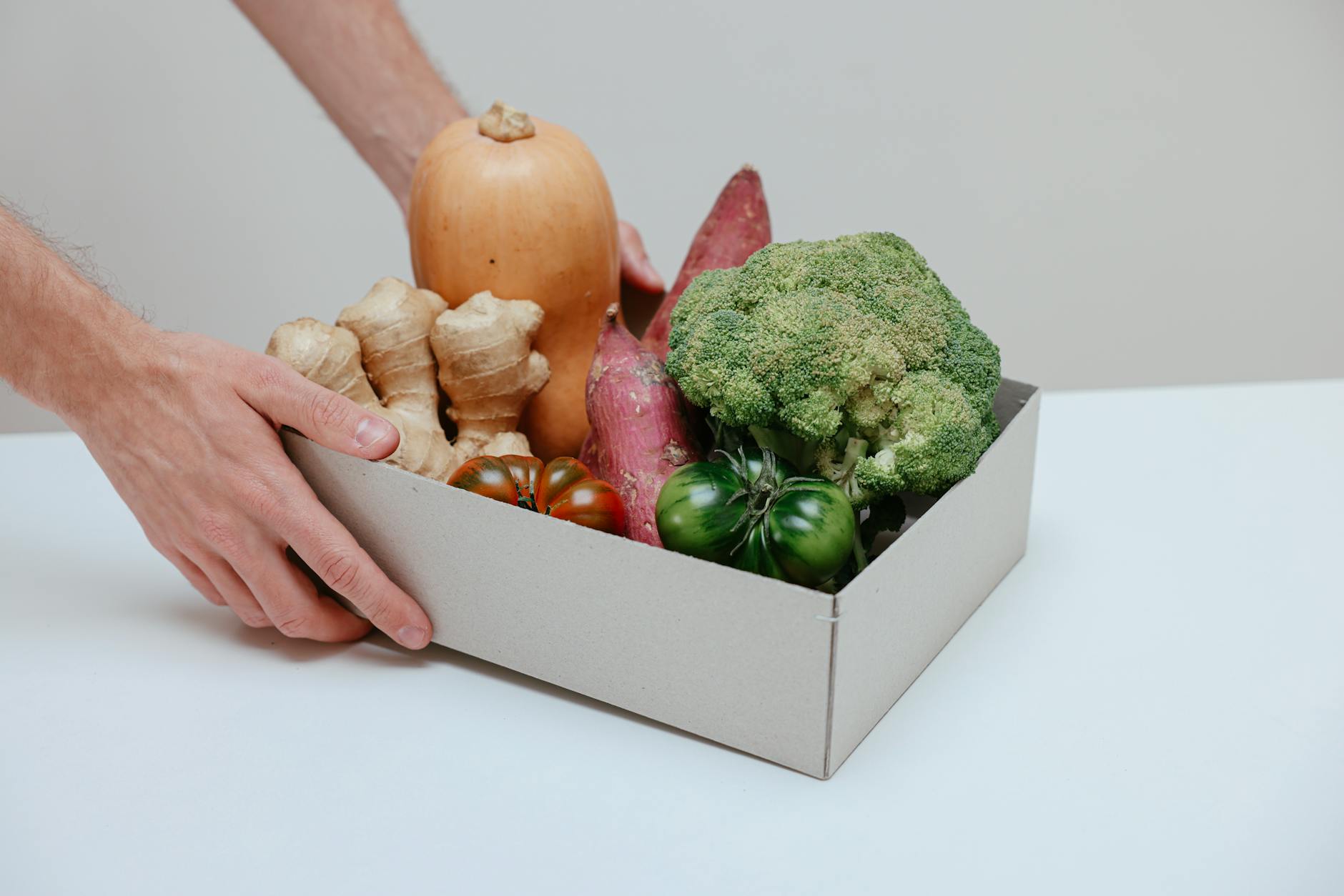
Negotiate with Suppliers: Work closely with food suppliers to negotiate better deals, discounts, or bulk pricing. Form partnerships with local farms or direct producers for fresher, cost-effective ingredients. This is especially true if you have chosen to use only a couple select suppliers. Since you have displayed loyalty to them by not constantly shopping around for better deals, you should expect them to reciprocate by offering you discounts and preferential treatment.
Diversify Suppliers: Having multiple suppliers for key ingredients can help you avoid price hikes from one particular source. Be open to alternative ingredients if the primary source becomes too expensive. We suggest that owners routinely (quarterly) take their most expensive ingredients and highest selling ingredients and do a cost comparison among five of the food suppliers. Even if you never intend on actually buying form them, it is a good exercise to ensure that your main supplier is offering you competitive pricing.
Waste Reduction
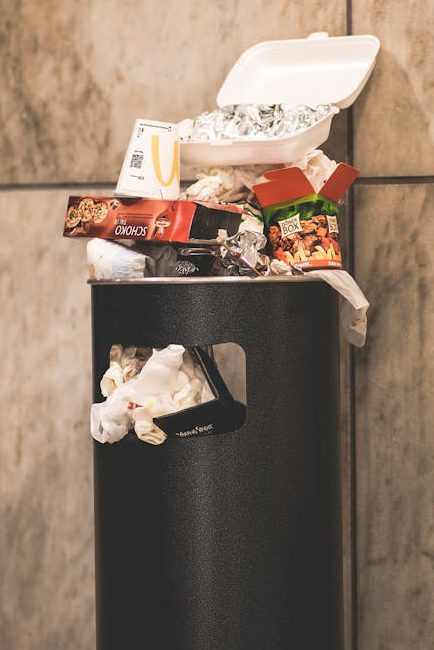
Minimize Food Waste: Track inventory closely to reduce waste. Implement FIFO (First In, First Out) to ensure older ingredients are used first and reduce spoilage. This is where labeling and dating items as they enter the building and as they are opened is important. By ensuring that all items in dry storage are dated upon entry, you can easily tell if items are being properly rotated. Owners are often astonished at how much waste occurs in their storage areas of food that never even makes it into production.
Track and Repurpose Leftovers: Use excess ingredients or food scraps in creative ways, like making soups, sauces, or special menu items. It is very important to track waste so that you can measure if it is increasing over time.
Use Technology for Order Management: Utilize POS systems to track inventory and sales trends. Data can help identify which dishes are popular, track waste, and adjust purchasing to keep costs low.

As part of our initial on-site assessment, we do a comprehensive study known as a food process map. This study involves tracking food from how the chef forecasts how much to purchase, actually purchases, receives and stores, plans for production, produces (preps), portions, and tracks waste. If done properly, this a holistic approach that is continually improving. The final waste numbers should factor into the next order amount in an effort to constantly improve forecasting, upon receiving the items should be thoroughly inspected to ensure they meet quality standards, kitchen staff should be equipped with production sheets that tell them how much of each item to prepare and the staff should be monitored to ensure that they are utilizing as much as possible of each item. Remember that you the owner or chef are paying for all of the product that ends up in the trash just as the product that actually ends up on the plate being served. After prep is done, kitchen staff should also be using proper measuring tools to ensure that portion sizes are correct, this ensures that the amount you costed out is actually being served and also ensures uniformity across customers, often we will see two customers at the same table receive different size servings of the same item, or possibly worse, the same customer receive a much smaller portion on their second visit. Finally, as we mentioned earlier, it is important to study the amount of food being returned to the kitchen as servers or bussers are clearing tables. These key employes should be instructed to alert the chef or owner if large amounts of an item are being sent back or were not touched. This allows the chef to inspect for quality issues, visit the table to inquire of customer satisfaction, and importantly to ultimately take the feedback into account when ordering or training staff.
On average, by properly monitoring food from the order to the trash, many of our clients decrease food costs by 8-10% and save thousands of dollars. This is why we say that we here at Food Service Solutions are not an expense but an investment, one that will over a massive return and continue to compound over time as we educate and empower you the client to implement the systems and processes that will continually improve you food service operation. If you would like a free initial assessment to see how much money you might be able to save, simply fill out the form on our CONTACT page and someone will contact you very soon.
Thanks,
FSS
 Food Service Solutions