
Pay in restaurants or food service companies in general can vary widely based on the type of establishment, but overall, it continues to be a sector of the economy that in our opinion is still grossly under compensated. Due to the recent difficulties in hiring experienced by almost all sectors, food service workers have become even more scarce and unfortunately, we are seeing greater levels of turnover. This makes it even more difficult on the individual who is dedicated to the industry because they are seeing newcomers being offered higher starting wages than normal, in many of our clients, we are actually having staff tell us that new hires are starting at wages that exceed their wages after years of service. Trus me, I completely understand supply and demand, but the harsh truth is that cook or server that has been loyal to you for years can probably fine a higher paying job on their lunch break.

So, what is a restaurant owner to do in order to attract and retain qualified staff, while also offering decent priced menu items. Well first off, if you have not read our articles about controlling food and labor costs, we recommend starting there. Second, we here at Food Service Solutions LLC, offer a free on-site consultation to assess where you can improve your operation and follow up with a complete plan of how to achieve it.
For the purpose of this article, let’s begin with exploring the average profit margin on various food service establishments. It is important to remember that these are just averages but for most restaurants, the average net profit margin tends to range from 3% to 10%. This means that for every $100 in revenue, a restaurant typically makes $3 to $10 in profit after expenses, taxes, and other costs.
Average profit margin by type of restaurant
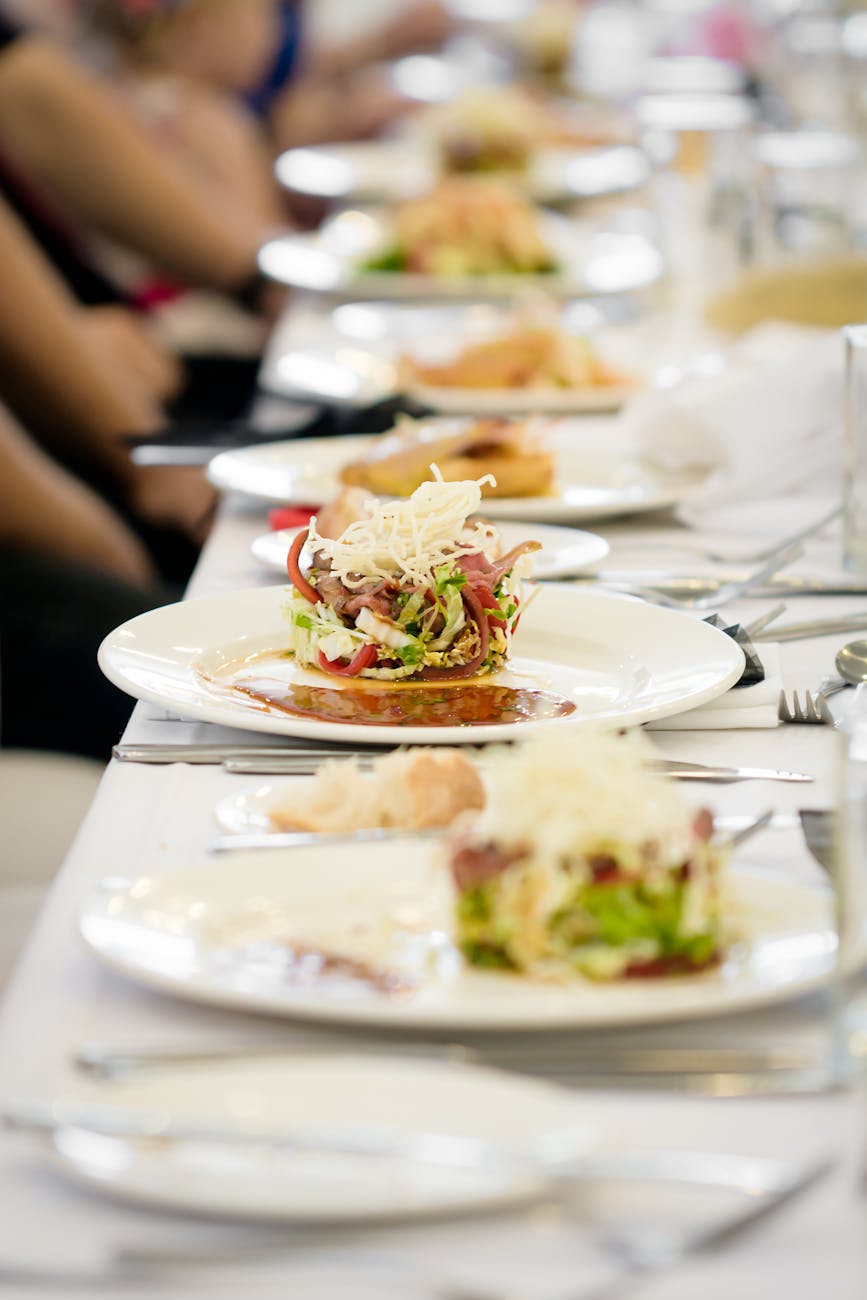
- Fine Dining Restaurants: These tend to have lower profit margins, often around 3% to 5%, due to higher operational costs like labor, ingredients, and overhead. This is obviously offset somewhat by higher menu prices, but due to the fact that most if not all of their ingredients are fresh, which means they have extremely short shelf lives, the cost to purchase and store are extremely high. These types of establishments typically receive two or more deliveries per week for items like proteins and dry goods and often receive daily fresh produce. They do not benefit from using cheaper canned or frozen items.
Another aspect of these establishments that drive up the cost of their food items is the amount of preparation that goes into each dish. Since almost all fine dining restaurants make their food from scratch, this takes much longer than opening a box or can. Additionally, due to the greater expectations of the guests, if a dish does not meet their desires or if a cook accidentally overcooks a $50.00 steak, it can be very costly.
Lastly, fine dining restaurants almost always require an executive chef and usually multiple salaried sous chefs to oversee the kitchen, this is in addition to higher paid serving staff.
The one saving grace for these establishments is that while their profit margin may be smaller, since their selling price is higher, they may actually put more total dollars to the bottom line. For example, would you rather earn 72% on a $5 burger or 60% on a $50 steak.
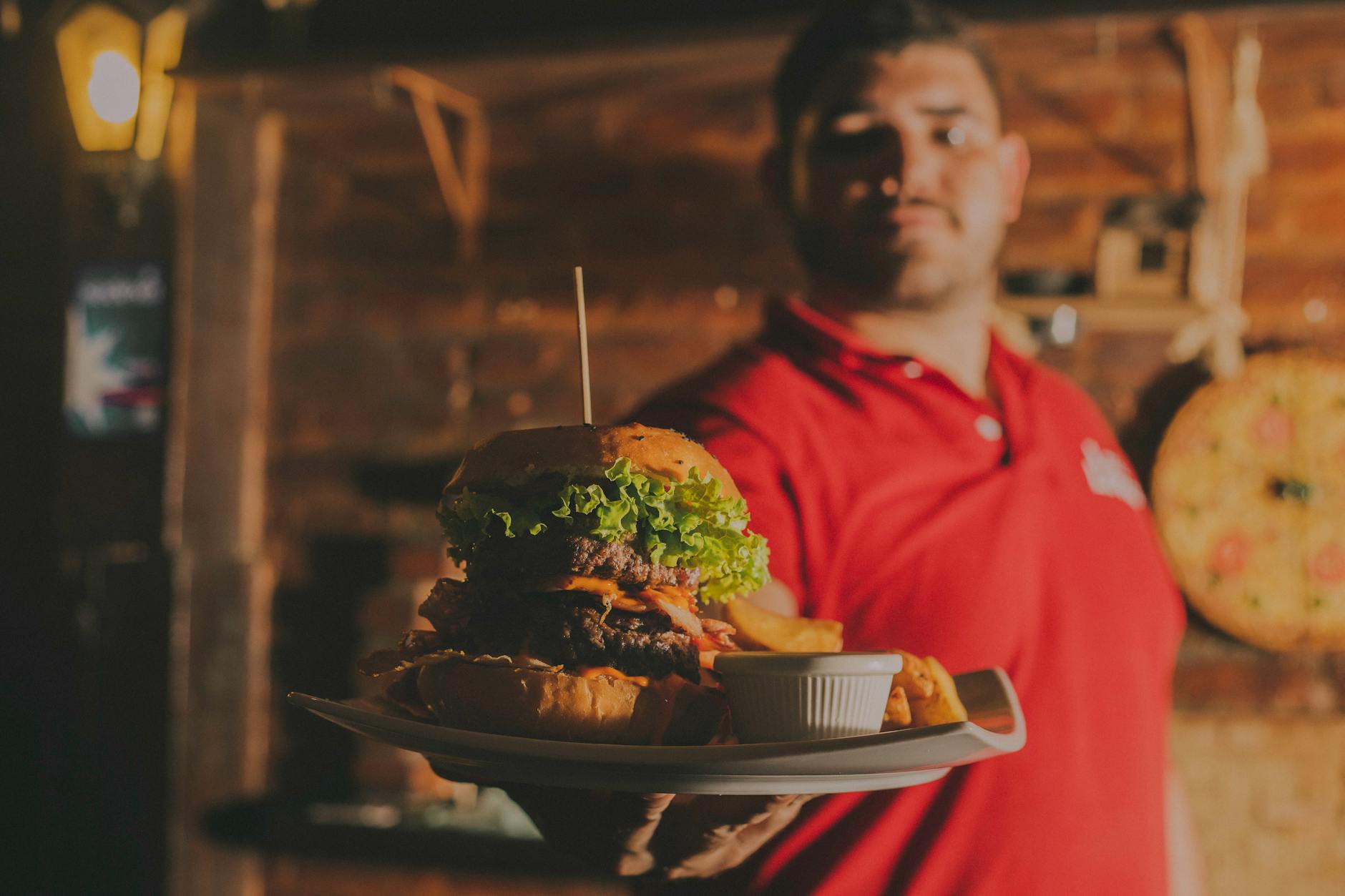
- Casual Dining: This category generally has slightly higher profit margins, typically between 5% to 10%. These establishments often balance higher volume with somewhat lower operational costs compared to fine dining. This segment will typically not employee and executive chef but rather a kitchen manager and then a general manager that oversees the front of house in kitchen. These restaurants have struggled recently as customers are offered many more options for dining out and as the next sector, we will discuss has become increasingly popular.
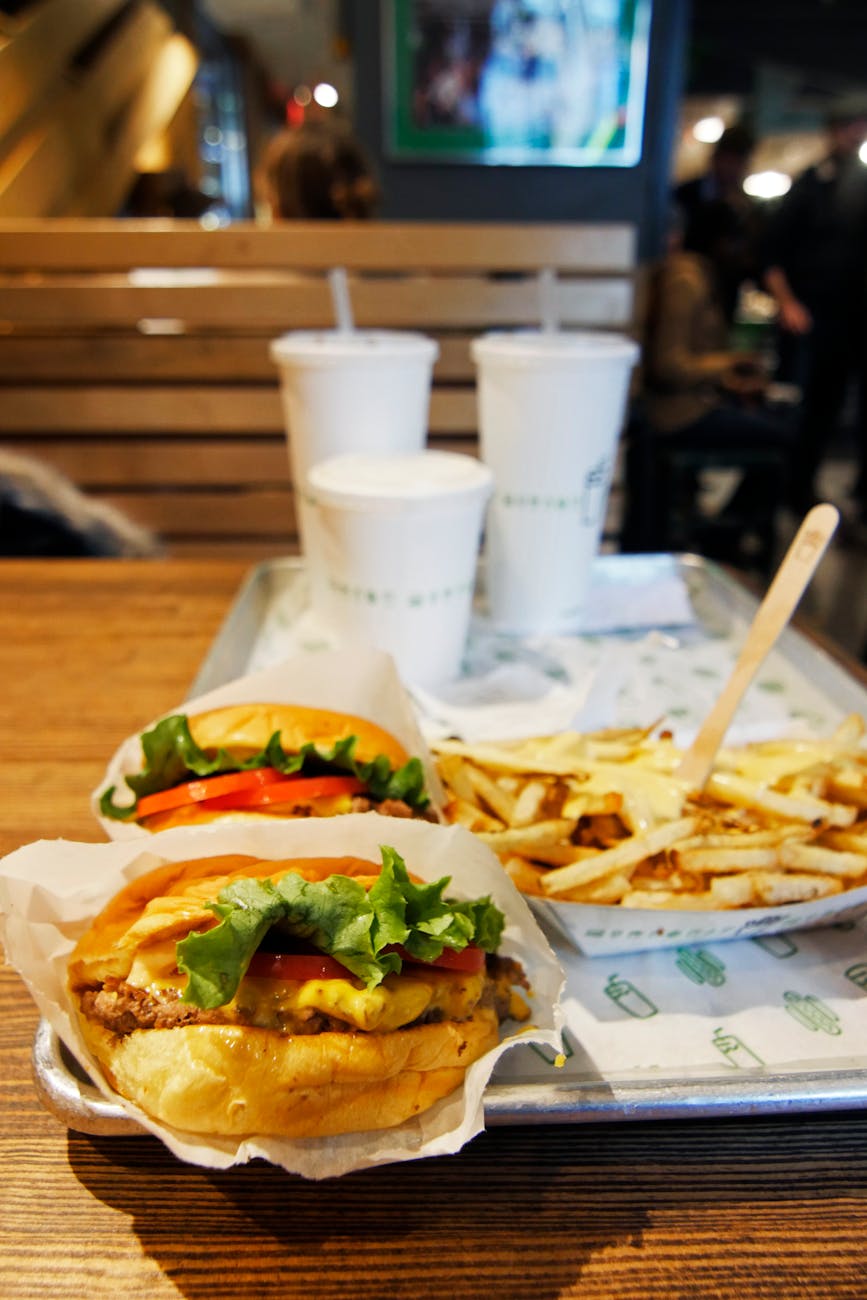
- Quick Service Restaurants (QSR) and Fast Casual: These restaurants can have better profit margins, sometimes reaching 10% to 15%, because they often operate with lower food costs, reduced labor, and quicker turnover of customers. Fast casual restaurants have become extremely popular due to changes in customer demand. There has been a shift in preference for a casual atmosphere and options that do not require tipping. Most of these restaurants, which we used to call hybrid restaurants because they were a combination of casual dining atmosphere mixed with the speed and price point of fast food. One of the biggest draws we find through surveys is that customers enjoy being able to get served quickly without waiting to be seated and that the ability to go through line and customize their meal is most attractive.
These restaurants enjoy larger profit margins because they eliminate half of the staff required for a casual dining establishment due to not having servers and the fact that because many have open kitchens, a single manager can easily oversee the entire operation. Additionally, these restaurants are typically able to negotiate discounted prices from suppliers as a result of having multiple locations.

Factors Affecting Profit Margins:
- Location: Restaurants in prime areas (high foot traffic, expensive cities) may face higher rent and operating costs, which can reduce their margins. These costs are considered fixed as they do not increase or decrease depending on sales. So, if sales increase, these costs will become a smaller percentage of costs.
- Menu Pricing and Costs: Effective pricing strategies and controlling food costs (ideally around 28%-35% of total sales) can improve margins.
- Labor Costs: Labor tends to be a significant portion of a restaurant’s operating expenses and keeping it efficient can positively impact profit margins. Labor costs are often greater than 30%.

Finally, let’s take a brief look at the average pay rates in and around Knoxville, TN.
Restaurant General Manager – Estimated at $71,094 per year, combining an average base salary of $59,302 with additional compensation.
Restaurant Manager – Approximately $54,599 per year, with a typical range between $49,592 and $61,398.
Executive Chef – Around $91,622 per year, with salaries typically ranging from $79,957 to $105,269.
Sous Chef – Estimates suggest an average annual salary of $57,195.
Entry-Level Chef – Approximately $41,276 per year.
Line Cook – Around $23,000 per year at establishments like Chili’s in Knoxville.
Food Service Worker – Typically earns $15.71 per hour, equating to approximately $32,653 annually for full-time positions.
Thanks for reading and if you need any help on increasing your company’s profit margins, reach out to us at Food Service Solutions LLC by filling out the form on our contact page.
Thanks,
FSS
 Food Service Solutions