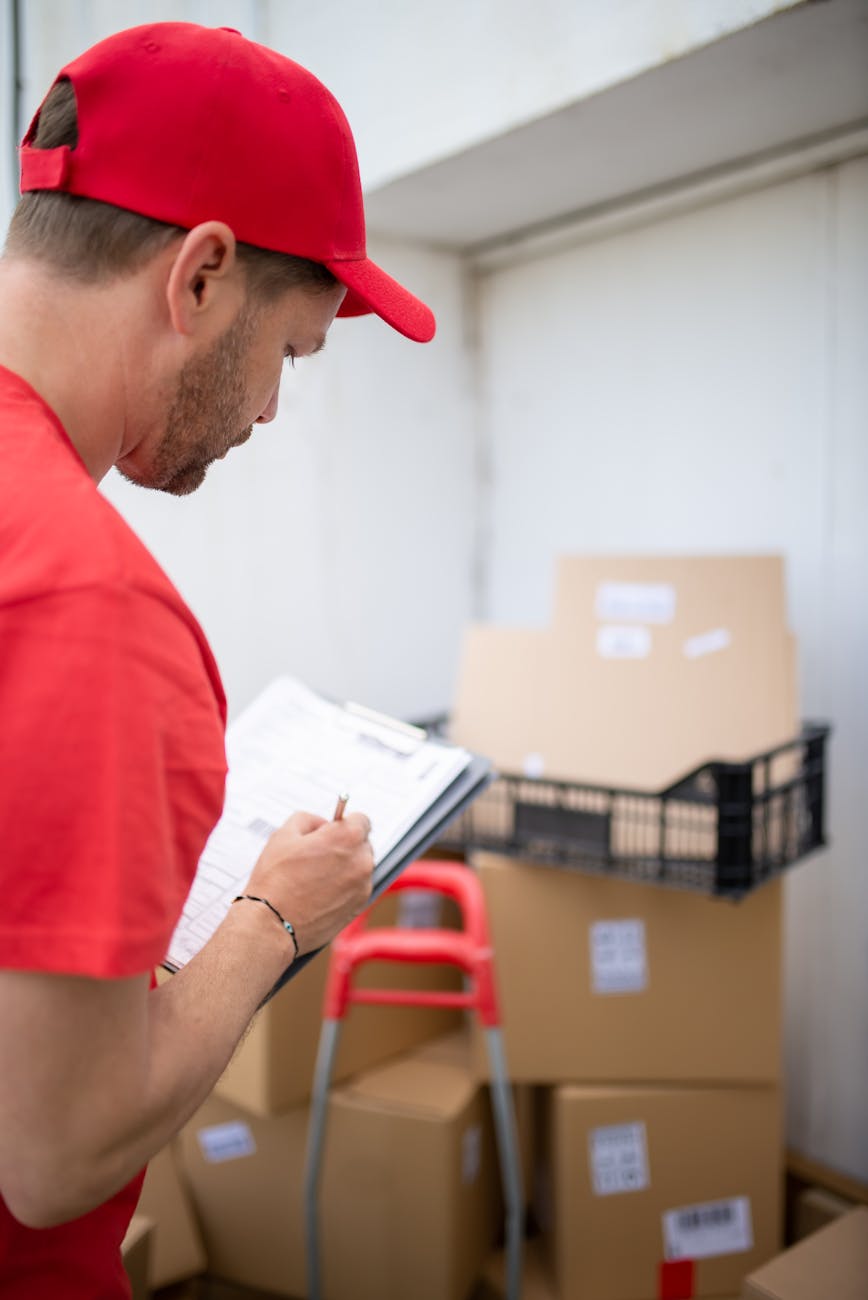
The food service industry is tough, and that is putting it lightly. Not only will you need to work the opposite hours of almost everyone else, weekends and holidays will be some of the busiest days. Add to that the reality of extremely thin margins and constantly changing customer preferences, and you can start to see why so many well-intentioned food service operators call it quits.
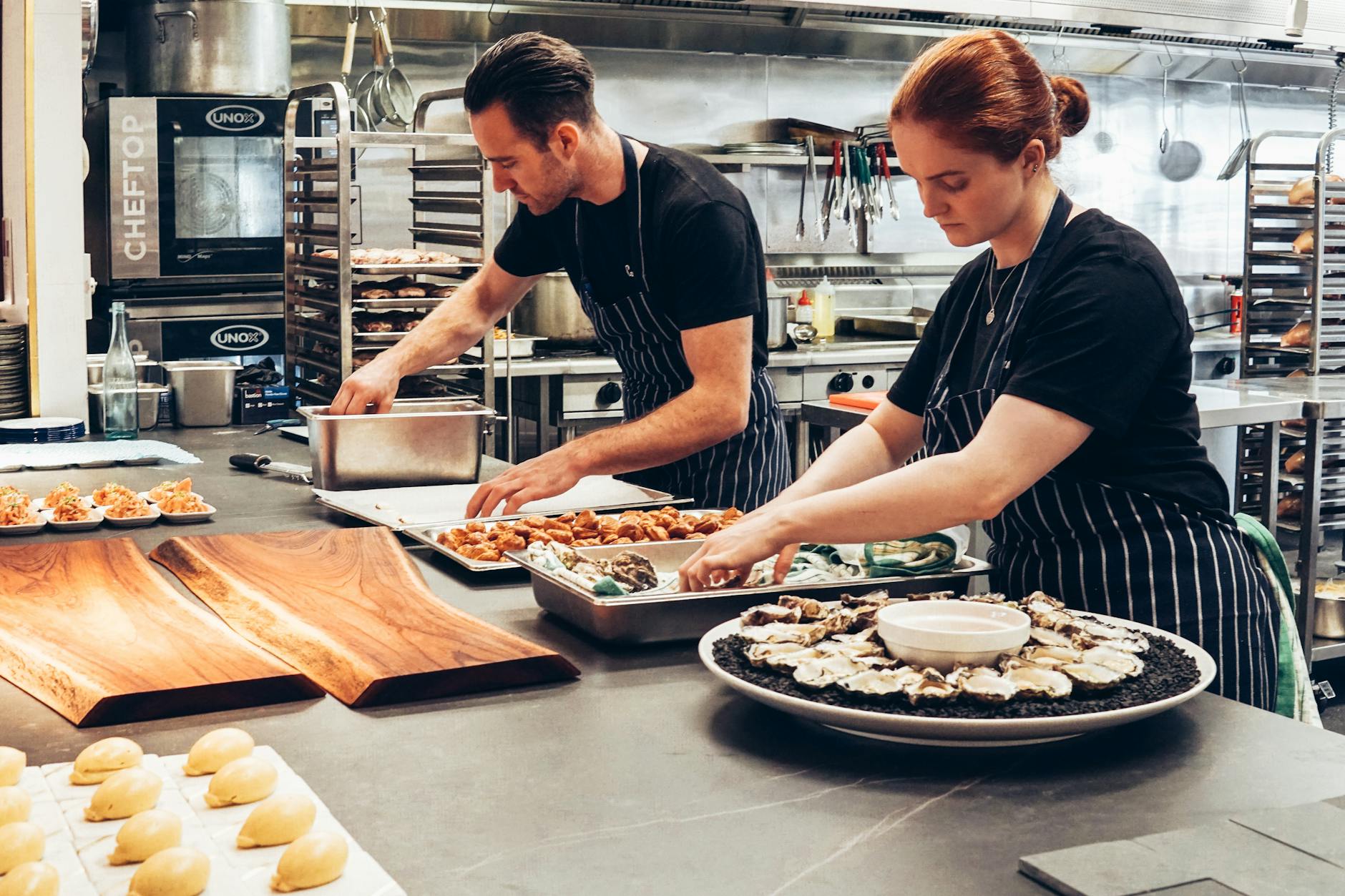
Let’s examine the difference between starting an independent food service establishment versus opening a franchise food service business. For most people that dream of going into food service, they dream of having their own place, where they can be creative and make the establishment an extension of themselves. They may dream of having all their friends there with them enjoying the food and drinks. Unfortunately, this is rarely the case and more often than not, these ambitious entrepreneurs end up with nothing but empty bank accounts.
While the franchise business model may not be as attractive as the independent option, there is a reason that we see these businesses being successful in almost every town across the country. What is it that makes them able to replicate this success over and over again, it’s the franchise model, or simply the system by which the company dictates that its stores be run. Yes, typically all franchises will have the purchaser sign a contract guaranteeing that they will adhere to the franchise agreement which outlines exactly how everything will be done. When I say everything, well the really good franchise companies typically specify everything from store size, employee count, mandatory discounts, and even that some or all of the inventory must be bought through the franchise company. In our experience, the stricter the franchise company is about how to operate its brand, they better they tend to perform, and the more profitable the store is for the purchaser.

In the U.S. independent food service establishments tend to have a significantly higher failure rate than their franchise counterparts.
Independent Restaurants:
- Failure Rate:
- 60% fail within the first year
- 80% fail within the first five years
- 90% fail within the first 10 years.
Franchise Restaurants:
- Failure Rate:
- 15% to 20% fail within the first five years
- 30% to 35% fail within the first 10 years.
You probably noticed that there was not data provided for the failure rate of franchises in year one, this is probably because the franchise company typically requires that the purchaser has a minimum net worth and is willing to commit to operating the location for a minimum amount of time. It does not look good if a new store opens and immediately closes its doors.
Let’s look at what makes franchises more successful and how you as an independent operator can learn from them to increase the odds of success in your favor.

Consistency and Quality Control
Systems help maintain a consistent level of service and food quality. When there are standardized procedures for food preparation, service, and cleanliness, it ensures that every dish or service delivered to customers meets the same high standards. This is not a qualitative question, rather it is a pairing of defined items that meet our specifications for purchasing, recipes that guarantee consistency, and a system of ensuring that the finished product is correct before it leaves the kitchen and for obtaining customer feedback.
Efficiency
Well-organized systems streamline processes, reducing wasted time and effort. For example, having a set inventory system prevents over-ordering or running out of ingredients, and clear roles for staff ensure tasks are completed quickly and correctly. If you have not already read our food cost article, check it out.
Cost Management
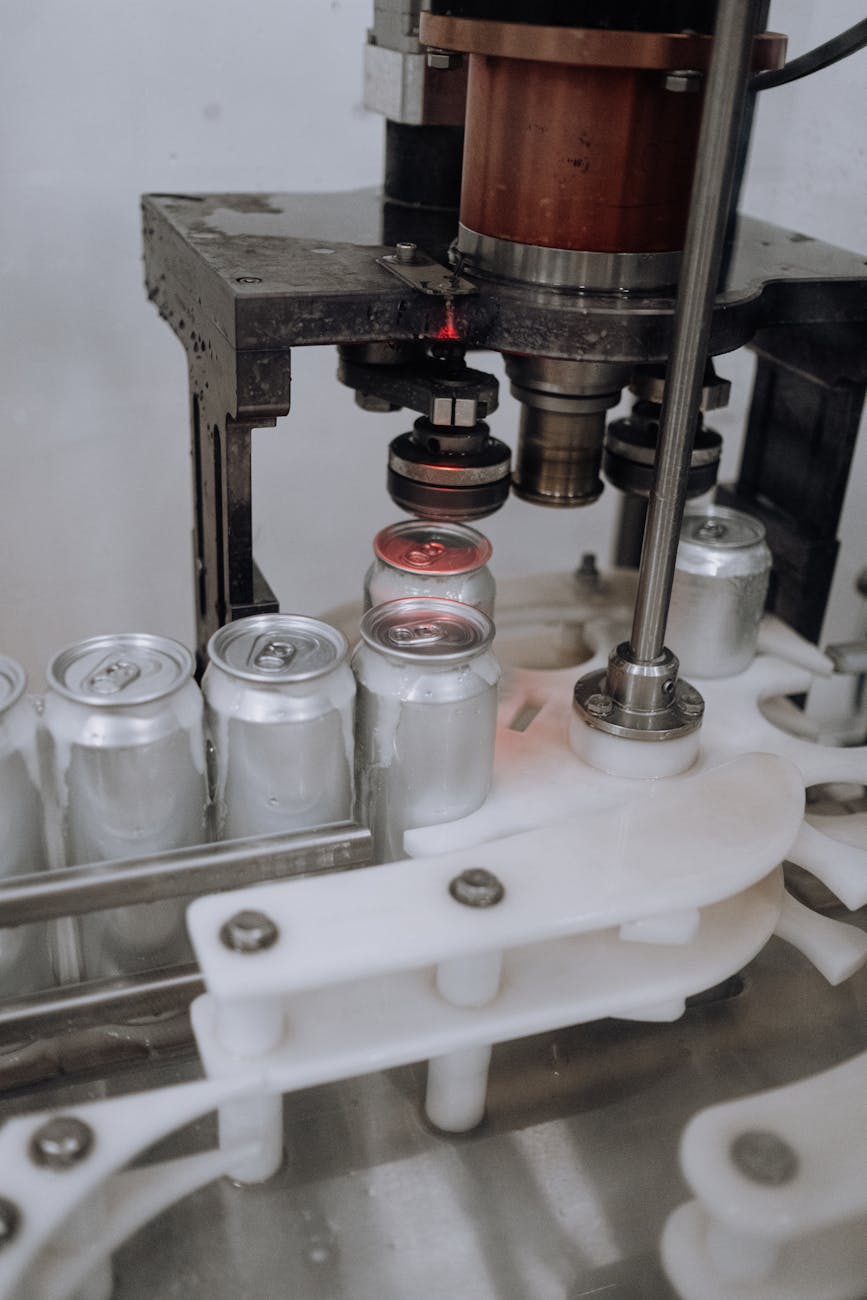
Systems help control costs by managing inventory, portion sizes, and labor more effectively. With proper systems in place, food costs can be tracked, and wastage can be minimized, leading to better profit margins. This includes not just systems for tracking but for setting monthly or even weekly targets for your managers to aim. This allows them to be flexible and empowered to manage based on the volume of sales or transactions.
Improved Customer Experience
When systems are in place, customers receive timely service and the food they expect. For example, standardized ordering systems prevent mistakes, and proper seating arrangements ensure guests are accommodated without long waits. Satisfied customers are more likely to return and recommend the establishment to others. We touched on this earlier, but a consistent customer experience is vital to establishing repeat customers and to building a reputable brand.

Staff Training and Development
A clear system makes it easier to train new employees and keep them aligned with operational expectations. When everyone follows the same system, new team members can quickly learn the ropes, and existing staff can stay updated on best practices. This system starts from the moment the potential staff member is contacted for an interview and continues to their on-boarding. Studies show that if you on-board an employee correctly, the potential for them to stay at least 90-days dramatically increases, and if you can keep them for 90-days, the potential for them to remain for a year or more increases exponentially.
Scalability
Well-defined systems make it easier to expand or replicate operations, whether opening new locations or increasing the scale of service. When processes are standardized, they can be more easily adapted to new settings or larger volumes of customers. You might be one of those amazing people that can create a brand from scratch, but will you be able to open a second location and be at both places at once?
Problem-Solving and Adaptability
With systems in place, it’s easier to pinpoint areas that need improvement. For example, if there’s a sudden drop in customer satisfaction, a clear system allows managers to track where the breakdown occurred and adjust accordingly. Without systems and the data collection from those systems, managers and owners are basically guessing at what is causing the problem.

Increased Profitability
Ultimately, systems help reduce waste, prevent errors, and improve productivity—all of which contribute to increased profitability. The bottom line is that systems increase the bottom line. If you are interested in learning how we here at Food Service Solutions LLC can help you create and install systems that will improve your food service establishment, fill out the form on our contact page and someone will be with you soon.
Thanks,
FSS
 Food Service Solutions